
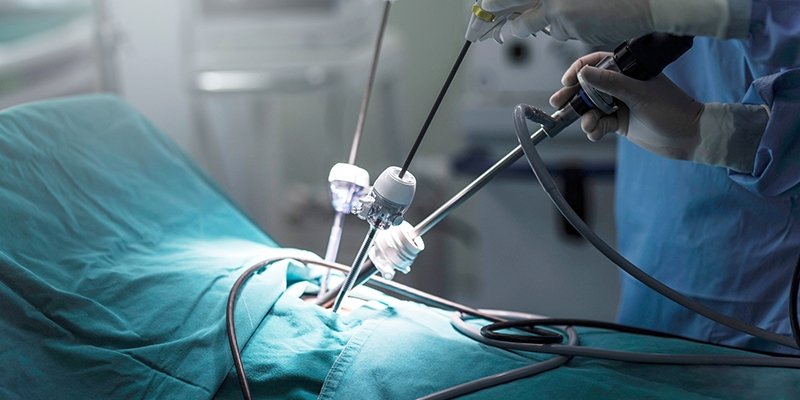
Cancer treatment has witnessed tremendous advancements in recent years, with minimally invasive surgical techniques leading the way. Among these, laparoscopic surgery has revolutionized the way cancers are managed. Once considered suitable only for simple abdominal procedures, laparoscopy has now become a safe and effective option for many cancer surgeries. This approach combines precision, safety, and faster recovery, making it a preferred choice for both surgeons and patients.
In this blog, we will explore the key benefits of laparoscopic surgery in cancer treatment, helping patients and families understand why it is becoming the gold standard in many hospitals today.
What is Laparoscopic Surgery?
Laparoscopic surgery, often called “keyhole surgery,” involves the use of a thin tube with a camera (laparoscope) that is inserted through small incisions in the abdomen. The camera provides high-definition visuals of the surgical area, allowing the surgeon to operate with exceptional precision. Instead of large open cuts, the procedure requires only a few small incisions, minimizing trauma to the body.
This minimally invasive approach has proven highly effective in treating various cancers, including those of the colon, stomach, uterus, kidneys, and pancreas. Patients benefit from less pain, shorter hospital stays, and quicker return to daily life.
Smaller Incisions for Less Trauma
One of the most significant benefits of laparoscopic cancer surgery is the use of small incisions. Traditional open surgeries require large cuts to access the tumor, leading to greater tissue damage, visible scars, and longer healing times.
In contrast, laparoscopic surgery typically uses incisions that are just 0.5–1 cm long. These smaller entry points significantly reduce blood loss, lower the risk of infection, and cause minimal disruption to healthy tissues. For cancer patients, who may already be dealing with fatigue and reduced immunity, this reduced trauma is a major advantage.
Faster Recovery and Shorter Hospital Stay
Cancer treatment is often a long and exhausting journey that involves surgery, chemotherapy, radiation, and follow-up care. A lengthy recovery from surgery can delay the start of other essential treatments. Laparoscopic surgery minimizes this concern.
Because the incisions are smaller and tissue handling is gentler, patients typically recover faster compared to open surgery. Many can return home within a few days rather than weeks. This not only speeds up recovery but also reduces hospital costs and minimizes the risk of hospital-acquired infections.
H2 – Reduced Pain and Discomfort
Post-operative pain is one of the biggest challenges for cancer patients undergoing surgery. Open surgeries are associated with significant discomfort, often requiring high doses of painkillers that may have side effects.
Laparoscopic surgery, however, causes far less post-surgical pain. Since there is less trauma to muscles and nerves, patients experience milder discomfort, which can be managed with minimal medication. This allows patients to resume normal breathing, mobility, and eating habits much sooner.
Lower Risk of Complications
Every surgery carries some level of risk. However, the precision of laparoscopic instruments allows surgeons to operate more delicately, avoiding unnecessary damage to surrounding organs and tissues. This significantly lowers the risk of complications such as excessive bleeding, infections, or hernias at the incision site.
For cancer patients, who often have compromised health due to the disease or ongoing treatments, minimizing surgical risks is especially important. Laparoscopy offers a safer alternative without compromising the effectiveness of cancer removal.
Better Cosmetic Outcomes
Scarring is not just a cosmetic concern—it can also affect confidence and mental well-being, especially for cancer survivors who want to return to normal life. Laparoscopic surgery leaves behind only tiny scars, often barely visible after a few months.
This subtle yet meaningful advantage helps patients regain a sense of normalcy more quickly and improves overall satisfaction with their treatment journey.
Enhanced Precision with Advanced Technology
Modern laparoscopic systems use high-definition and sometimes 3D cameras that magnify the surgical field. This gives surgeons a clearer, more detailed view of the tumor and surrounding structures compared to traditional open surgery.
Such precision is vital in cancer surgeries where the complete removal of cancerous tissue, along with safe preservation of healthy tissue, directly impacts survival and long-term outcomes. In some cases, laparoscopic procedures can even be robot-assisted, offering unmatched accuracy and control.
Quicker Return to Normal Life
Cancer treatment often disrupts every aspect of a patient’s life—family responsibilities, work, social activities, and mental well-being. The shorter recovery time and reduced post-surgical restrictions associated with laparoscopic surgery allow patients to return to their daily routines sooner.
This faster return to normalcy not only improves physical health but also provides a much-needed psychological boost, helping patients feel empowered in their fight against cancer.
When is Laparoscopic Surgery Used in Cancer?
While not every cancer case is suitable for laparoscopic surgery, it has proven effective in treating a wide range of cancers, such as:
- Colorectal Cancer: Minimally invasive techniques have become the standard for many colon and rectal surgeries.
- Gynecological Cancers: Uterine, ovarian, and cervical cancers can often be treated laparoscopically.
- Gastrointestinal Cancers: Stomach, pancreatic, and esophageal cancers may be managed with laparoscopy in selected cases.
- Urological Cancers: Kidney and prostate cancers are increasingly treated with laparoscopic or robotic assistance.
The decision ultimately depends on the stage of cancer, patient’s overall health, and the expertise of the surgeon.
The Role of an Experienced Surgeon
The success of laparoscopic cancer surgery depends heavily on the skill and experience of the surgeon. An expert with specialized training can ensure safe and effective outcomes, tailoring the treatment plan to the patient’s unique condition. Choosing the right surgeon is one of the most important steps a patient can take in their cancer journey.
For patients in Aurangabad and surrounding regions, Dr Akash Mor – Best Laparoscopic Cancer Surgeon In Aurangabad offers advanced surgical care, combining clinical expertise with compassionate patient support. His experience and dedication to minimally invasive cancer treatment have helped many patients achieve better outcomes with less physical and emotional burden.
Laparoscopic surgery has transformed cancer treatment by offering patients a safer, less painful, and more effective surgical option. With benefits such as smaller incisions, quicker recovery, reduced hospital stay, lower risk of complications, and better cosmetic results, it is clear why this technique is becoming the preferred choice in oncology.
Conclusion
If you or your loved one is exploring treatment options, consulting an experienced specialist is crucial. Dr Akash Mor – Best Laparoscopic Cancer Surgeon In Aurangabad provides expert care backed by modern technology and a patient-centered approach, ensuring that every individual receives the best possible treatment.
Take the step toward advanced, minimally invasive cancer care today—because early treatment and expert guidance can make all the difference in your recovery journey.