
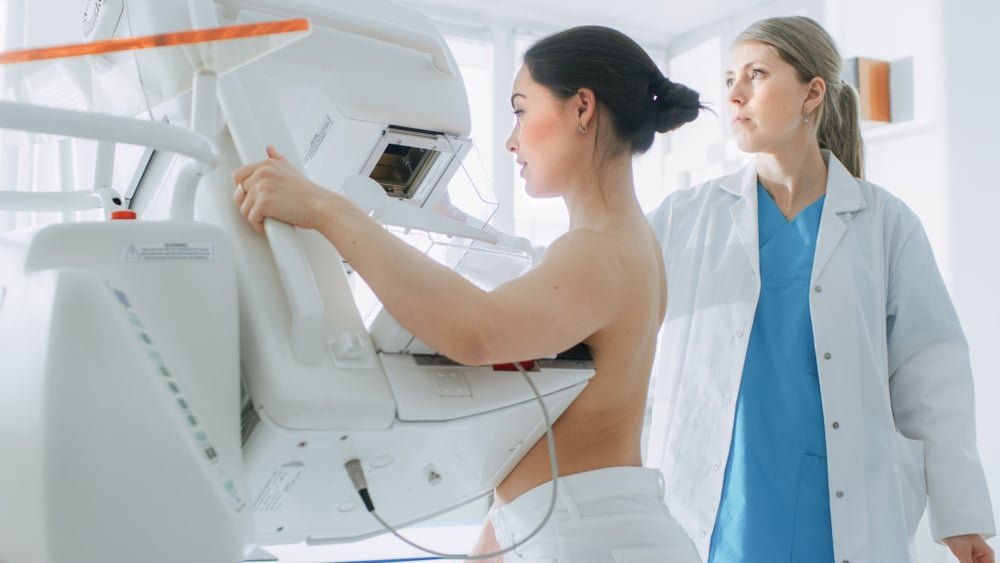
Breast cancer remains one of the most common cancers affecting women worldwide, yet it is also one of the most treatable when detected early. Early detection gives doctors the chance to diagnose cancer at a stage when treatment is simpler, less invasive and more successful. Mammography plays a vital role in this early detection process. It helps identify breast changes long before they become noticeable through touch or symptoms.
Dr Akash Mor, a highly trusted & Best Breast Cancer Surgeon in Aurangabad, explains the importance of mammography, how it works and why every woman should consider routine screening as part of her long term health plan. This blog aims to educate women while also offering reassurance about the procedure and its benefits.
What Mammography Means for Women’s Health
Mammography is a specialised imaging technique that uses low dose X rays to capture clear images of the breast. These images help detect small lumps, microcalcifications and other early changes that may indicate breast cancer. The test is especially valuable because many breast cancers do not cause pain or visible symptoms in the early stages.
Key purposes of mammography
• Identify breast abnormalities before they can be felt
• Detect cancer at a small and more treatable size
• Monitor women with previous breast issues or family history
• Guide further investigations when needed
Mammography is safe, quick and reliable, making it one of the most valuable tools for preventive breast care.
Why Early Detection Matters So Much
When breast cancer is found early, treatment is simpler, recovery is faster and survival rates increase significantly. Women who undergo regular mammography often discover changes at a stage when the cancer is limited and has not spread to nearby tissues.
Benefits of early detection
• Higher treatment success rates
• Greater chances of preserving breast tissue
• Reduced need for extensive surgery
• Less aggressive treatment required
• Lower emotional and physical stress
Early detection empowers women with timely choices and gives doctors the ability to plan the most effective treatment path.
How Mammography Works Step by Step
Understanding the procedure reduces fear and encourages more women to get tested. Mammography is designed to be simple and comfortable.
Before the test
Women are asked to avoid using deodorant, powder or lotion on the day of screening as these can interfere with the images. Wearing a two piece outfit helps make the process more convenient.
During the test
• The radiographer gently places the breast on a flat surface
• A plate slowly presses the breast for a few seconds
• X ray images are taken from different angles
• The compression may feel slightly uncomfortable but it is brief and not harmful
The entire procedure usually takes less than fifteen minutes.
After the test
The images are reviewed by a radiologist. If anything unusual is found, the doctor may suggest follow up tests such as ultrasound or a biopsy to confirm the findings.
Who Should Get a Mammography and When
Different women have different screening needs. Age, family history and lifestyle all play a role.
Women with no symptoms
• Women aged forty and above should undergo regular screening
• Screening once a year or as advised helps maintain good breast health
Women with higher risk
Those with a family history of breast cancer, hormonal issues or previous breast lumps may need earlier and more frequent screening. Consulting a specialist helps create a personalised plan.
Women experiencing breast changes
Regardless of age, women should seek evaluation if they notice
• Lumps
• Nipple discharge
• Skin dimpling
• Change in size or shape
• Persistent discomfort
Mammography provides clarity and helps the doctor decide if additional testing is required.
Myths and Fears About Mammography
Many women avoid mammography due to fears or misunderstandings. Addressing these concerns encourages healthier habits.
Common myths
Myth Mammography is painful
Fact The pressure is brief and mild and helps capture a clear image
Myth Mammography exposes you to unsafe radiation
Fact The radiation used is extremely low and safe for routine screening
Myth Only women with symptoms need the test
Fact Mammography is meant to catch issues before symptoms appear
Myth Young women do not get breast cancer
Fact While more common after forty, breast cancer can affect younger women too
Reassurance, education and proper explanation help women feel more confident about getting screened regularly.
How Dr Akash Mor Supports Breast Health
Dr Akash Mor provides comprehensive breast care with a focus on early detection, detailed evaluation and personalised treatment. His approach includes
• Thorough breast examination and patient history
• Guidance on when and how often to get mammography
• Clear explanations to reduce fear and confusion
• Use of advanced diagnostic techniques for accurate results
• Individualised treatment plans when abnormalities are detected
His patient friendly communication and calm approach help women make informed decisions about their breast health.
Final Thoughts
Mammography is not just a test. It is a life saving screening tool that helps protect women from advanced breast cancer. Early detection gives women the best chance for successful treatment and long term wellness. By understanding the importance of mammography and trusting specialists like Dr Akash Mor, women can take control of their breast health with confidence and clarity.
Regular screening, awareness of symptoms and timely consultation create a strong foundation for a healthier future.